

Wholesale Food Supplier Melbourne: What to Look for Before You Sign a Supply Contract

Choosing the right wholesale food supplier Melbourne businesses can rely on is an important decision for restaurants, cafés, hotels, supermarkets, grocery stores and catering businesses. A food distribution is not simply a company that delivers products. The right supplier becomes an important part of your business operations, helping you maintain stock, control purchasing costs and consistently meet customer demand.
Before signing a long-term supply contract, it is important to understand exactly what the supplier offers, how their distribution works, what products are available and whether their service can support your business as it grows.
From product quality and pricing to delivery schedules and contract terms, there are several factors every business should evaluate.
In this guide, we'll explain what to look for when choosing a wholesale food supplier Melbourne businesses can trust.
Why Choosing the Right Wholesale Food Supplier Matters
Restaurants and retailers depend on a consistent supply of food products. A delay or stock shortage can quickly affect daily operations.
For restaurants, unavailable ingredients can result in menu items being removed or changed. For supermarkets and grocery stores, empty shelves can lead to missed sales and dissatisfied customers.
Working with experienced wholesale food suppliers Melbourne businesses depend on can help provide:
Consistent product availability
Reliable deliveries
Competitive wholesale pricing
Better inventory management
Access to a wider product range
Improved purchasing efficiency
Long-term supply stability
However, not every supplier offers the same level of service. This is why businesses should carefully evaluate a supplier before signing a contract.
1. Check the Product Range
One of the first things to consider is whether the supplier offers the products your business needs today and may need in the future.
A good food supplier Melbourne businesses choose should have a diverse product range that matches your customer demand.
Depending on your business, this could include:
Asian groceries
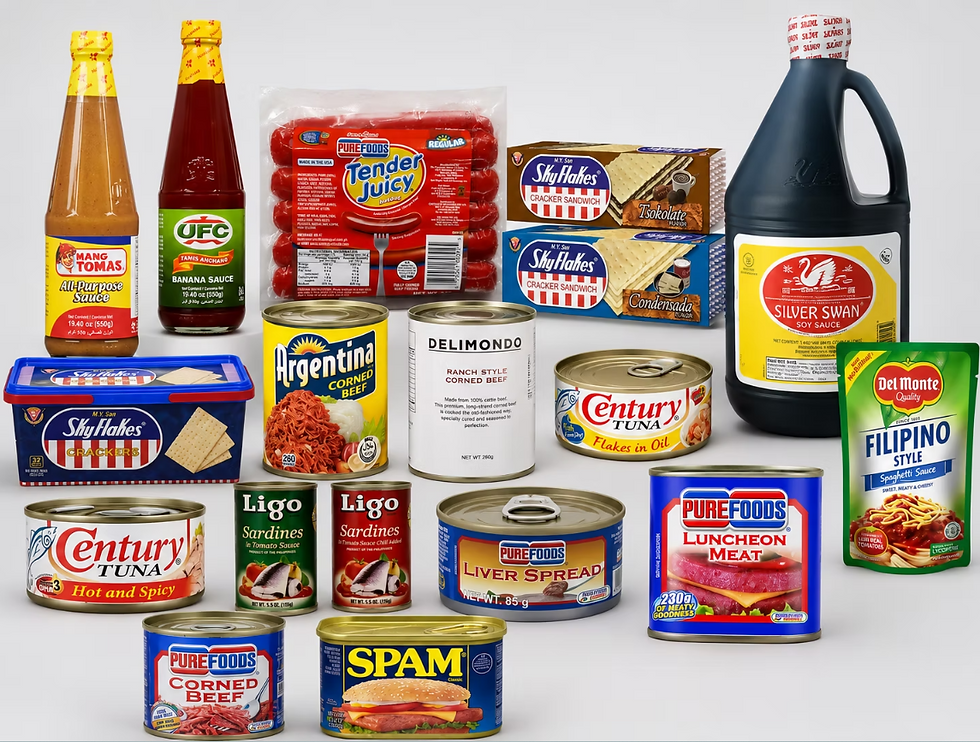
Filipino food products
Indian groceries
Frozen foods
Seafood
Noodles
Sauces
Condiments
Seasonings
Snacks
Beverages
Pantry essentials
Household products
A broad product range can reduce the need to work with multiple suppliers, making purchasing and inventory management easier.
2. Evaluate Product Quality
Price should never be the only consideration when selecting a wholesale supplier.
Product quality directly affects your customers and your reputation. Restaurants need reliable ingredients to maintain consistency across their menus, while supermarkets need products that meet customer expectations.
Before signing a contract, ask about:
Product sourcing
Storage conditions
Quality control
Packaging
Product shelf life
Frozen food handling
Food safety procedures
If you are sourcing international products, check whether the supplier works with established manufacturers and importers.
For businesses selling Asian products, experienced Asian food wholesalers can also provide access to authentic products from countries such as the Philippines, India, Thailand, Vietnam, Malaysia, Indonesia and Singapore.
3. Compare Wholesale Pricing
Wholesale pricing can have a significant impact on your business's profitability.
Before signing a contract, compare pricing across your most frequently purchased products. Don't simply look at the unit price. Consider the total cost of purchasing and receiving the products.
Ask about:
Bulk discounts
Minimum order quantities
Delivery charges
Promotional pricing
Payment terms
Price increases
Seasonal offers
A supplier offering slightly lower prices may not necessarily be the most cost-effective option if delivery charges are high or minimum order quantities are difficult to meet.
The goal is to find a balance between competitive pricing, quality and dependable service.
4. Review Delivery and Distribution
Reliable food distribution is one of the most important parts of a wholesale supply relationship.
Before signing a contract, understand how the supplier manages deliveries.
Check:
Delivery areas
Delivery frequency
Order cut-off times
Estimated delivery schedules
Minimum delivery requirements
Emergency orders
Delivery tracking
Handling of damaged products
Restaurants and supermarkets need predictable deliveries because their inventory requirements can change quickly.
Experienced food distributors Melbourne businesses rely on should have effective logistics and distribution systems that help keep products moving efficiently.
5. Understand Minimum Order Quantities
Minimum order quantities can significantly affect smaller businesses.
Some suppliers may require businesses to purchase a certain quantity or spend a minimum amount before an order can be delivered.
Before signing a contract, determine whether the minimum order is practical for your business.
If you are a small café, ordering large quantities may create unnecessary inventory and increase storage costs. A supermarket or large restaurant group may have different requirements.
Choose a supplier whose ordering structure matches your business size and purchasing volume.
6. Check Product Availability and Inventory Management
A supplier may have an impressive catalogue, but that doesn't necessarily mean every product will always be available.
Ask how the supplier manages inventory and handles out-of-stock products.
Reliable food wholesalers Melbourne businesses trust should have strong inventory management processes that help maintain consistent product availability.
Find out:
How frequently stock is replenished
How out-of-stock products are communicated
Whether alternative products are available
How pre-orders are handled
Whether customers receive stock updates
Good communication can help your business plan ahead and avoid unexpected shortages.
7. Review Payment Terms
Payment terms should be clearly understood before signing a supply agreement.
Depending on the supplier and your business relationship, options may include upfront payment, account terms or other arrangements.
Make sure you understand:
Payment deadlines
Accepted payment methods
Credit terms
Late payment fees
Account requirements
Credit limits
Clear payment conditions help avoid misunderstandings later in the relationship.
8. Read the Supply Contract Carefully
Never sign a supply agreement without understanding its terms.
Important areas to review include:
Contract Duration
Understand how long the agreement lasts and whether it automatically renews.
Pricing Changes
Check whether the supplier can change prices during the contract and how much notice they must provide.
Cancellation Terms
Understand how either party can terminate the agreement.
Returns and Damaged Products
Find out what happens if products arrive damaged, incorrect or unsuitable.
Delivery Responsibilities
Make sure the contract clearly explains delivery obligations and responsibilities.
If the agreement is complex or involves significant financial commitments, consider obtaining professional legal advice before signing.
9. Assess Customer Service
A good wholesale supplier should be easy to communicate with.
When something goes wrong, you need a supplier that responds quickly and provides practical solutions.
Evaluate:
Response times
Account management
Order support
Product enquiries
Complaint handling
Communication about delays
Strong customer service can make a significant difference when your business depends on regular deliveries.
10. Look for Industry Experience
Experience can provide valuable insight into the challenges faced by restaurants, supermarkets and retailers.
An established wholesale distributor Melbourne businesses trust may have stronger supplier relationships, established logistics networks and greater knowledge of customer requirements.
Ask how long the supplier has been operating and whether they regularly work with businesses similar to yours.
For businesses sourcing international food products, industry experience can also be valuable when it comes to importing, product availability and distribution.
Why SN Food Supplies Is a Reliable Wholesale Food Supplier Melbourne
SN Food Supplies has more than 10 years of experience supplying Asian, Filipino, Indian and Australian food products to businesses.
The company supplies restaurants, cafés, hotels, supermarkets, grocery stores, retailers and other food businesses with an extensive wholesale product range.
Its products include:
Asian groceries
Filipino food products
Indian food products
Frozen foods
Noodles
Sauces
Condiments
Seasonings
Snacks
Beverages
Household essentials
Beauty and wellness products
SN Food Supplies imports authentic products from the Philippines, India, Indonesia, Thailand, Singapore, Vietnam and Malaysia.
With established logistics and distribution capabilities, the company supplies businesses across Victoria, New South Wales, Queensland and South Australia.
For businesses looking for a reliable wholesale food supplier Australia, working with an experienced distributor that offers a broad product range and dependable service can simplify purchasing and support long-term growth.
Questions to Ask Before Signing a Supply Contract
Before committing to a supplier, prepare a list of questions to ensure there are no surprises later.
Ask:
What products do you regularly stock?
What are your minimum order requirements?
What areas do you deliver to?
How frequently can you deliver?
What are your payment terms?
How are price changes communicated?
What happens when products are out of stock?
What is your returns policy?
How are damaged products handled?
What are the contract cancellation terms?
Getting clear answers before signing can help you choose a supplier that matches your business requirements.
Conclusion
Choosing a wholesale food supplier Melbourne businesses can depend on requires more than comparing prices. Product quality, product range, delivery reliability, inventory management, customer service and contract conditions all play an important role in creating a successful supply partnership.
Restaurants, cafés, hotels, supermarkets and retailers should take the time to evaluate potential suppliers before entering a long-term agreement.
The right wholesale partner can help reduce purchasing challenges, maintain reliable stock, control costs and support business growth.
If you're searching for experienced wholesale food suppliers Melbourne, food distributors Melbourne, food wholesalers Melbourne or a dependable wholesale distributor Melbourne,
SN Food Supplies offers a wide range of Asian, Filipino, Indian and Australian food products supported by reliable wholesale distribution and industry experience.


Comments